
Waste management services
• The UK’s No. 1 for industrial waste collection
• Quick, convenient collections nationwide
• Fixed-price plans to save you money
• 90% of all waste recycled or repurposed
| DOWNLOAD OUR BROCHURE |
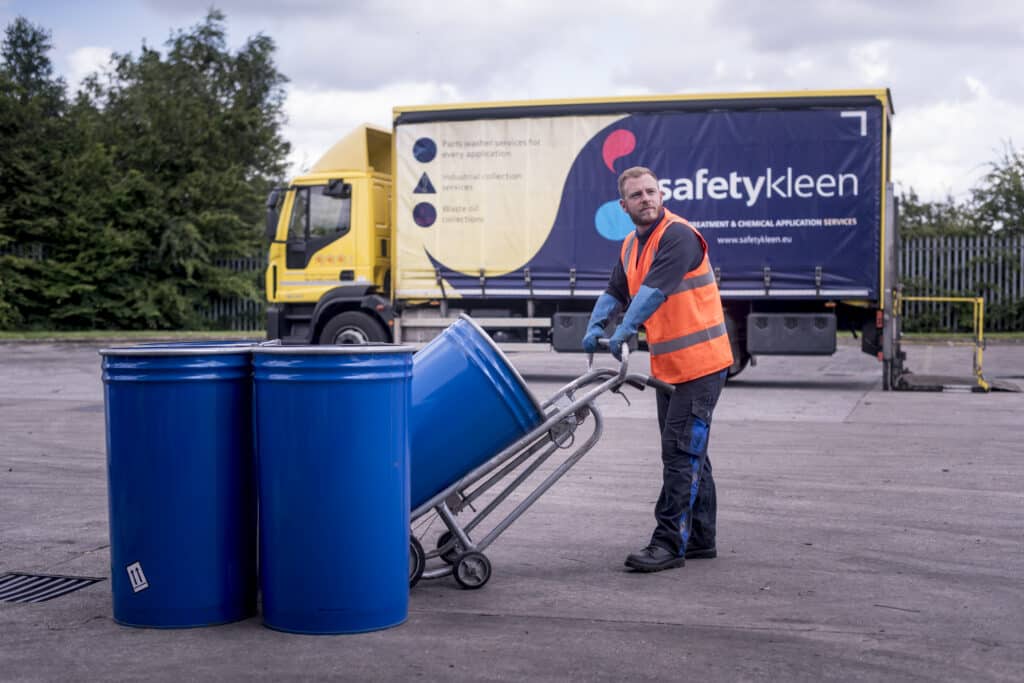
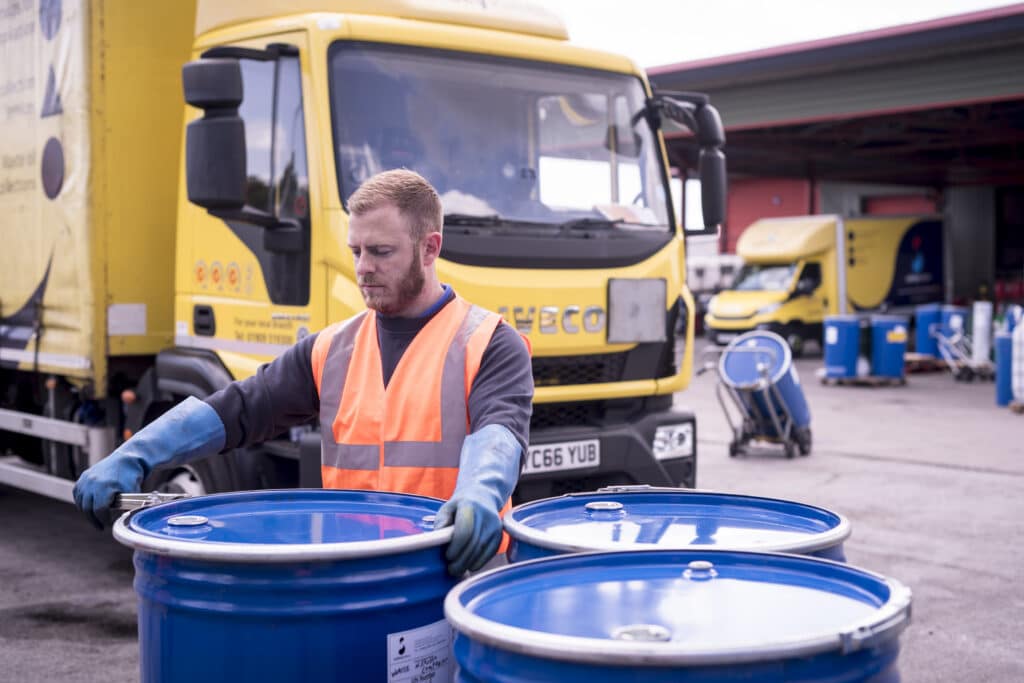
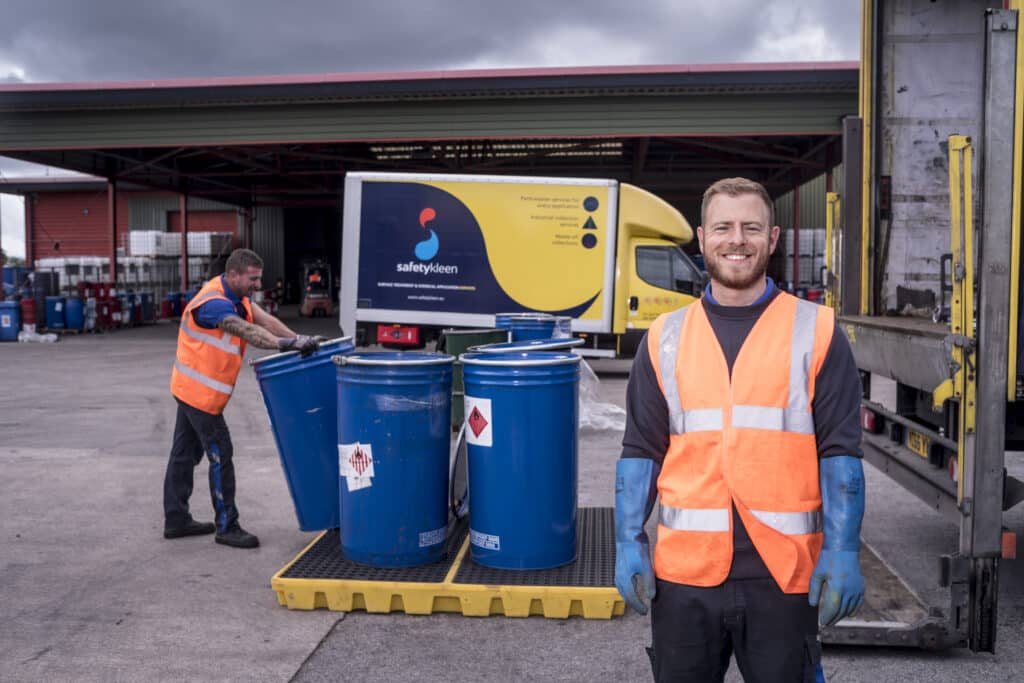
Industries we serve
Safetykleen’s waste management service offers solutions tailored to your specific business needs. No matter what industry you’re operating in, we have decades of experience and knowledge covering over 450 industries, including:
|
Aerospace |
Engineering |
Printing |
|
Automotive |
Food & Drink |
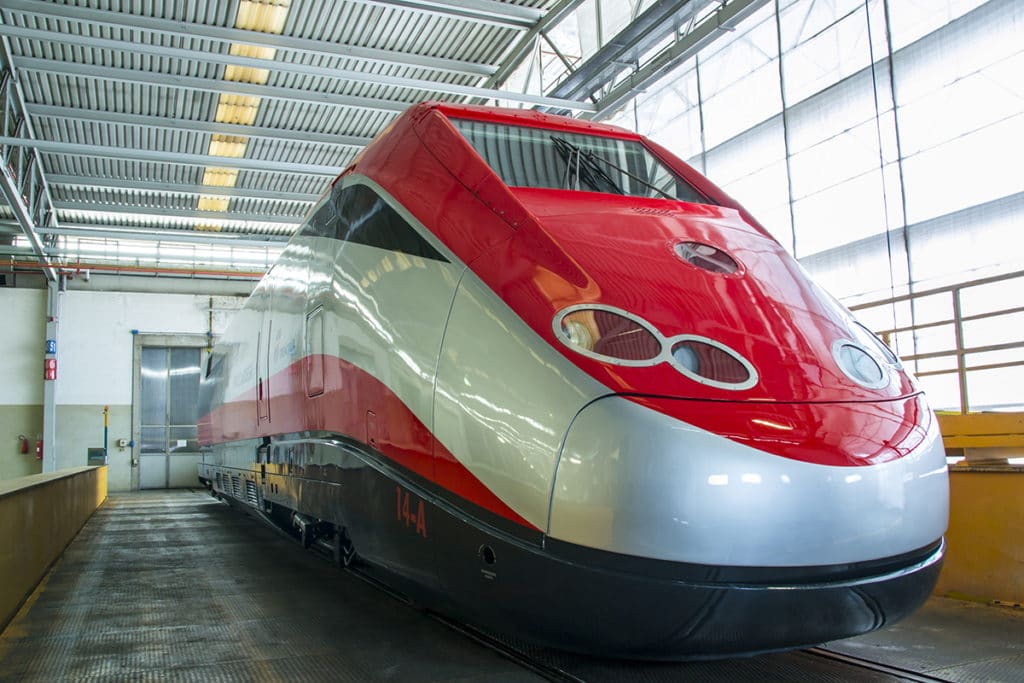
Rail Transport |
|
Agriculture |
Manufacturing |
Renewable Energy |
|
Chemicals |
Oil & Gas |
Transport MRO |
|
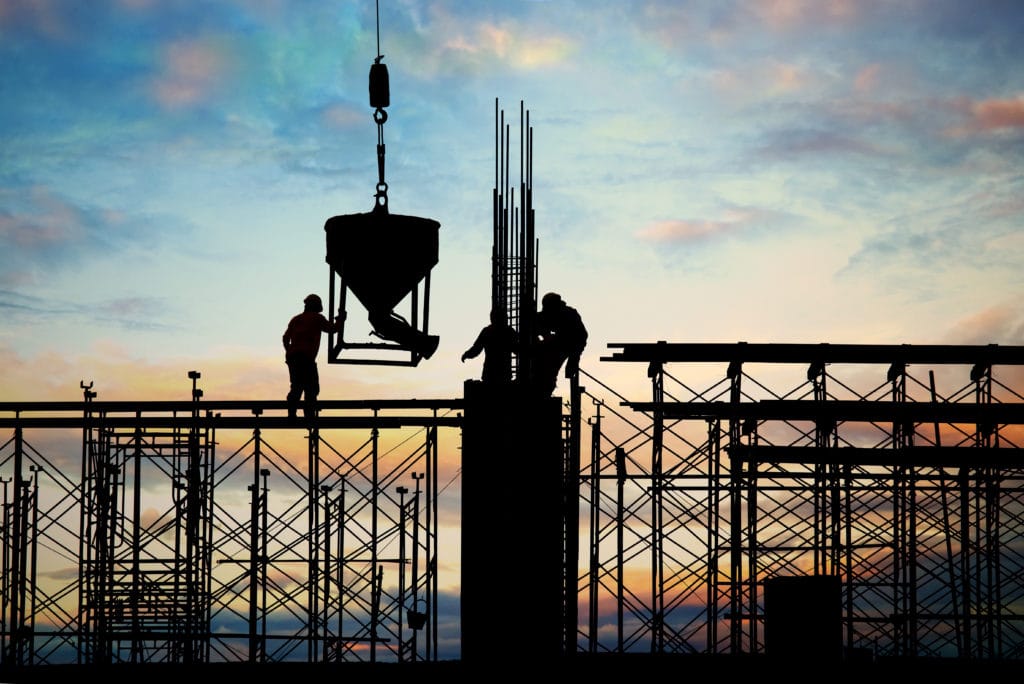
Construction |
Pharma |


Types of waste we collect
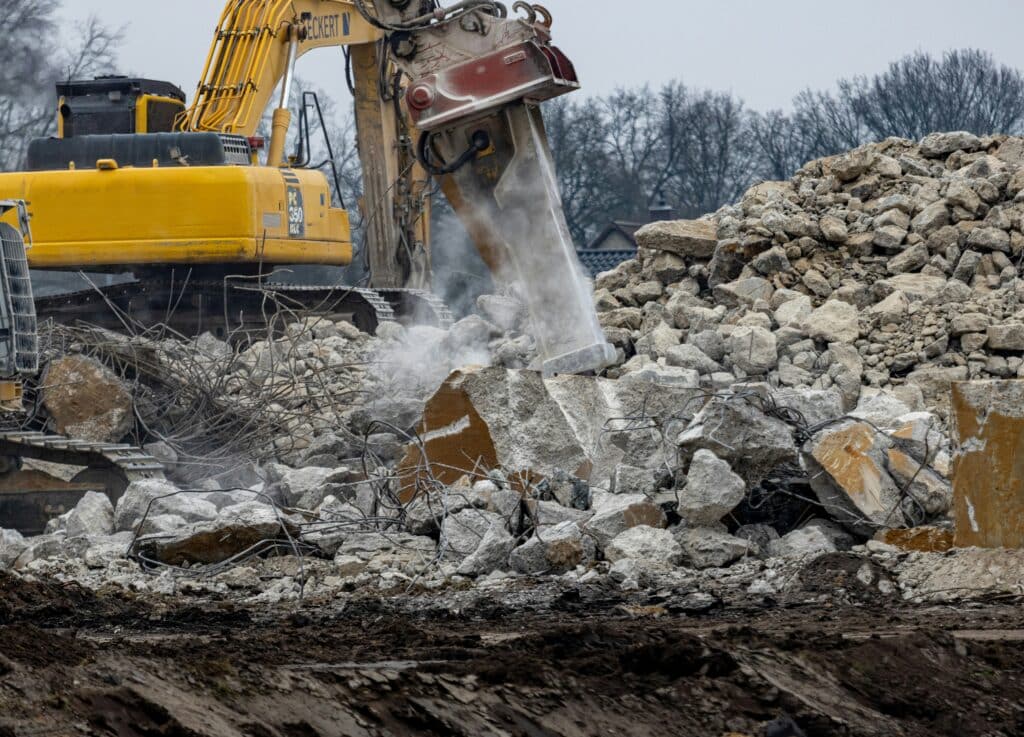
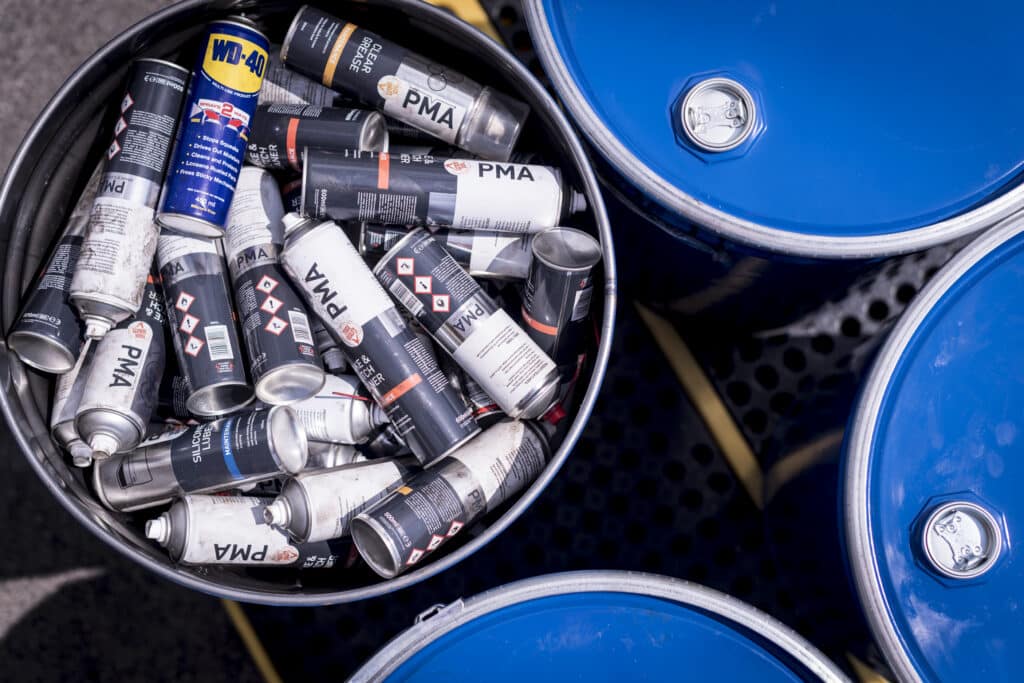
SafetyKleen collects and manages a wide range of hazardous and non-hazardous waste streams across all the sectors. Whether you’re dealing with oils, chemicals, contaminated PPE, or redundant electrical equipment, we classify, package, label, collect, and arrange compliant disposal, so you don’t have to. Our waste streams include:
|
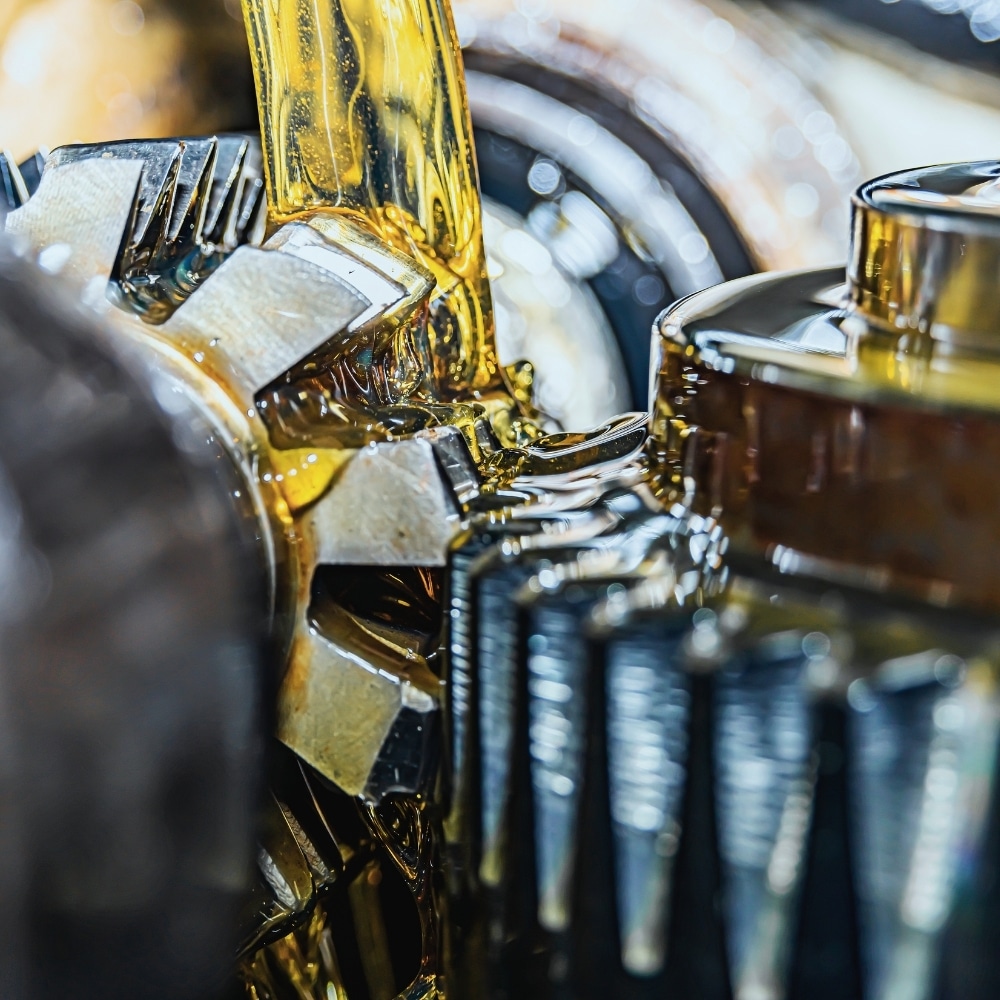
Waste oil |
Paints |
Inks |
|
WEEE |
Glues |
Hazmats |
|
Thinners and solvents |
Absorbents |
Isocyanate smalls |
|
Chemicals |
Greases |
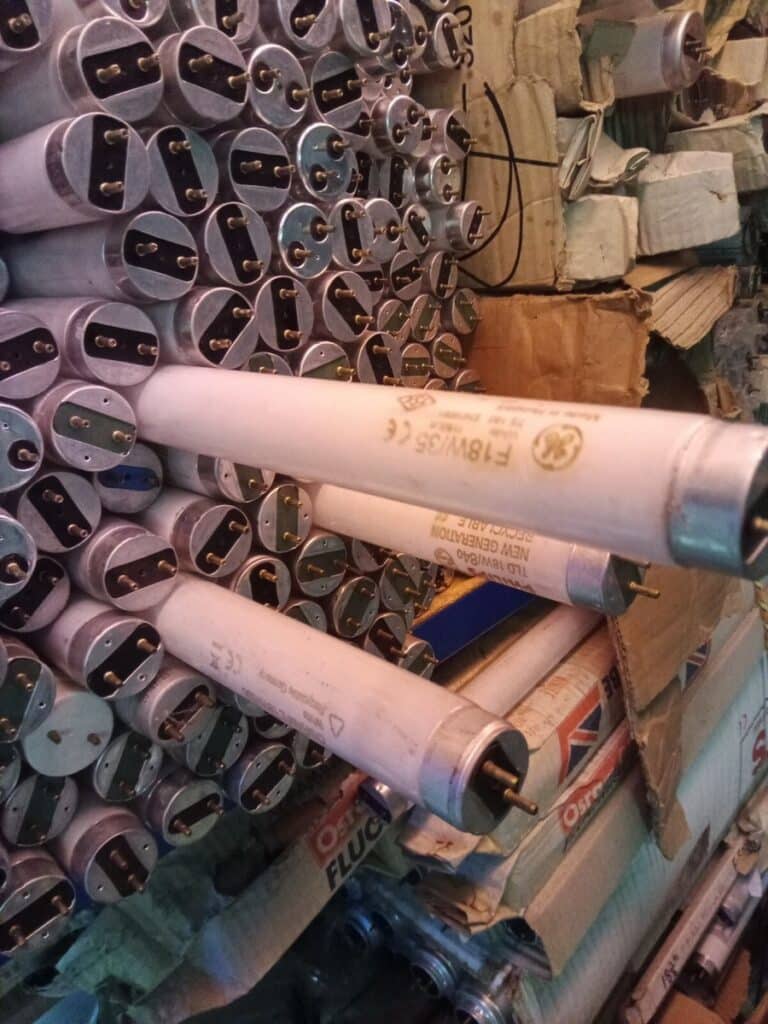
Fluorescent tubes |
|
Aerosols |
Batteries |
Storage tanks |
Nationwide coverage
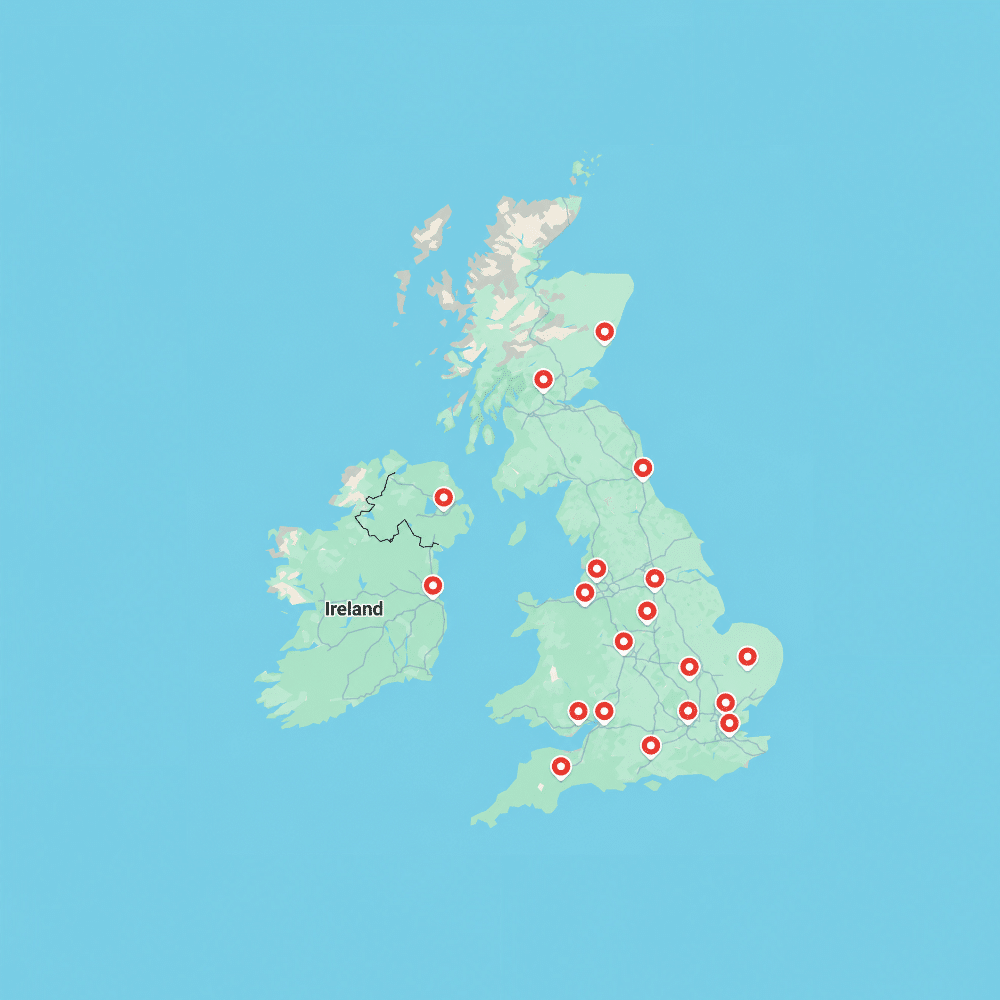
Our waste collection services run from 17 branches across the UK, so there’s always a Safetykleen site close to you. That means reliable and on-time collections wherever you operate. You will find us in:
How we work with your business

Site survey
Full inspection of places and processes where waste is produced
Collection
Consigned, labelled and documented, then collected and transported to safe storage
Documentation
Compliance documents and reports emailed to you after collection
Compliant storage
Stored in appropriate containers at one of our licensed waste transfer stations
Recycling
All waste processed and repurposed to minimise environmental impact
Customer success stories
More than 52,000 businesses in the UK and worldwide use Safetykleen to save time, drive down costs and boost performance.
Frequently Asked Questions
What happens to the waste after collection?
It depends on the chemistry. Aqueous waste is mostly non-hazardous, so we sample-test it, decant around 95% into large tankers, and treat it at a wastewater site before cleaning the drums for re-use. Kerosene, being hazardous, is separated to remove solids and water, then recovered as Processed Fuel Oil for energy recovery. Thinners are sent to our German sister refinery, distilled, and returned cleaned for re-use, helping customers cut their VOC content.
What is considered as hazardous waste?
Hazardous waste is any waste harmful to human health or the environment i.e. flammable, corrosive, toxic, or irritant. Common examples include asbestos, batteries, oils, solvents, paint, chemicals, fluorescent tubes, pesticides, electrical equipment (WEEE), and contaminated rags or packaging. It’s subject to stricter controls than general waste, so it must be correctly identified, stored, transported, and disposed of at a permitted facility with a consignment note for every collection.
How quickly can a collection be arranged?
Usually within three days, and often as soon as the next day. Just get in touch and we’ll book you in at the earliest slot that works for you.
What happens if I don't handle my waste correctly?
Improper waste management pollutes water and soil, raises workplace health and safety risks, and carries serious penalties. Fixed penalties reach up to £400, while enforcement undertakings can run much higher — Severn Trent Water paid £306,509 in 2016. Magistrates’ Courts can impose £50,000 fines and one year’s imprisonment; Crown Courts can issue unlimited fines and up to five years in jail.
What types of waste do you collect?
We handle both hazardous and non-hazardous waste under one simple service — including aerosols, acids, anti-freeze, asbestos, batteries, brake and clutch parts, corrosives, diesel, empty drums, flammable liquids and solids, fluorescent light tubes, fuels, gases, grease guns, ink, oils, paint, paint tins, plastic containers, rags, solvents, and toxic substances. No need to juggle multiple suppliers for different waste streams.
Do you cover the whole of the UK?
Yes, we operate a nationwide collection service with fast turnaround times, so wherever your site is located, we can get to you and collect your waste.
How does pricing work, and do you offer one-off collections?
We charge a unit price for each waste item we collect, with no extra cost for containers, labour or transport. And yes, we’re happy to arrange one-off collections too. No collection is too big or too small.
Is Safetykleen fully licensed and accredited?
Yes. We’re a fully licensed waste carrier with environmental permits covering 18 waste transfer stations across the UK. We’re also FORS accredited and an active member of the Environmental Services Association, so you can be confident your waste is handled safely, legally and responsibly.
What our customers think
Based on 2387 reviews collected up to June 2025

You might also be interested in
Parts cleaning services
Get world-class parts cleaning for a simple monthly fee, whatever your industry or cleaning needs.
Training and compliance
Get expert support with compliance, environmental legislation and best-practise training.
Parts washers
Our machine range includes options that can handle even the most complex requirements.
Still not found what you’re looking for?
Our team of experts can help you find the right service for your needs.